Family Health and Diagnostics: Why Family History Matters

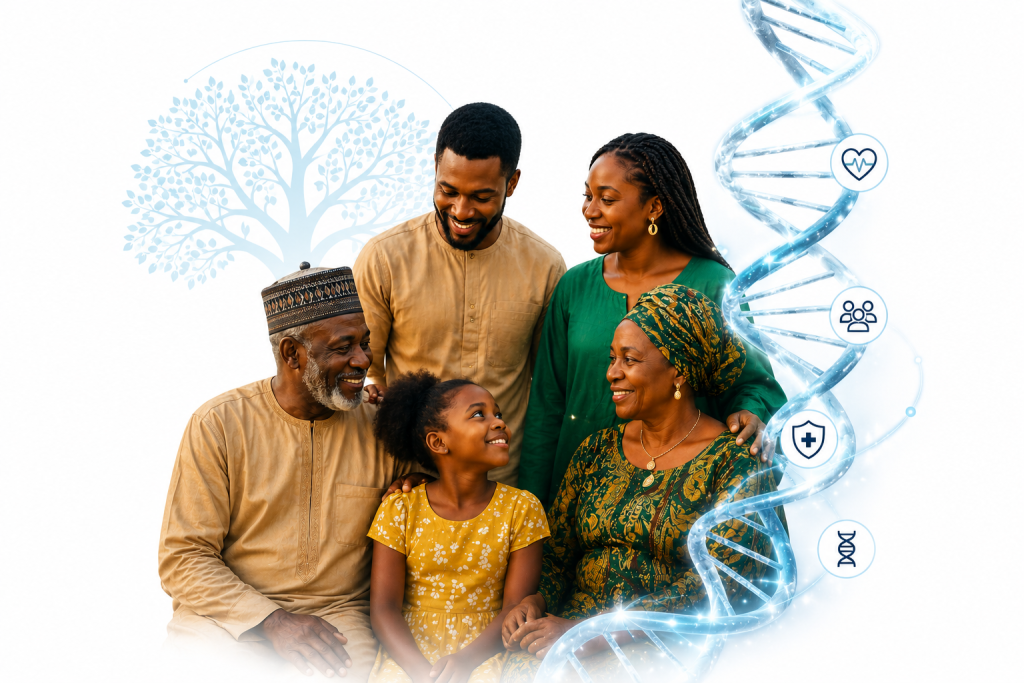
Family health goes beyond individual well-being; it reflects patterns and risks shared across generations. Your family medical history provides valuable insights that can guide early detection, accurate diagnosis, and preventive care. In modern healthcare, understanding family medical history is an essential part of effective diagnosis and preventive care
What Is Family Medical History?
Family medical history refers to information about the health conditions affecting close biological relatives, including parents, siblings, and grandparents. It includes conditions such as hypertension, diabetes, heart disease, certain cancers, and genetic disorders that may run in families.
This information helps healthcare providers identify hereditary patterns and assess potential health risks.
Why Family History Matters in Diagnostics
1. Early Risk Identification
Certain medical conditions have a hereditary or genetic component. If they are present in your family, you may have a higher risk of developing them. Knowing this allows for earlier screening and monitoring.
2. More Accurate Diagnosis
Many medical conditions are present with similar symptoms. Family history gives clinicians additional context, helping them narrow down possible causes and make more precise diagnoses.
3. Preventive Health Planning
With accurate family health information, healthcare providers can recommend lifestyle changes, routine screenings, or preventive measures tailored specifically to your risk profile.
4. Better Treatment Decisions
Genetic factors can how influence certain conditions respond to treatment. Family history can help guide more effective and personalized treatment plans.
Common Conditions Linked to Family History
- Hypertension
- Diabetes
- Heart disease
- Stroke
- Certain cancers (e.g., breast, prostate, colorectal)
These conditions may cluster within families due to both genetic and lifestyle factors.
How to Build Your Family Health History
- Discuss known medical conditions with close family members
- Record major illnesses and age at diagnosis
- Document any hereditary, chronic, or recurring conditions
- Update your records regularly
Even basic information can make a significant difference in your healthcare journey.
The Role of Diagnostic Testing
While family history provides critical indicators, it works best when combined with proper medical testing. Diagnostic testing and laboratory investigations help identify risk factors, support early detection, and monitor ongoing health conditions.
At Chayim Diagnostics, we support proactive healthcare through reliable and timely testing services. With accurate results and professional care, you can make informed decisions about your health and well-being.
Key Takeaway
Family history is often the first clue in understanding long-term health risks. Conditions such as hypertension, diabetes, and certain inherited disorders may occur more frequently within families due to shared genetic and environmental factors ; they tend to follow lines within families. When this information is taken seriously, it allows for earlier screening, closer monitoring, and more informed clinical decisions. Instead of waiting for symptoms to develop, you’re working with insight that helps guide timely action and better outcomes. In diagnostics, that level of clinical context can significantly improve decision-making and patient outcomes
Need reliable diagnostic testing or preventive health screening? Visit Chayim Diagnostics for accurate, timely, and professional healthcare support.
📞 0814 070 438
https://www.chayimds.com
Responses