
Annual Health Checkups: What Should Be Included?

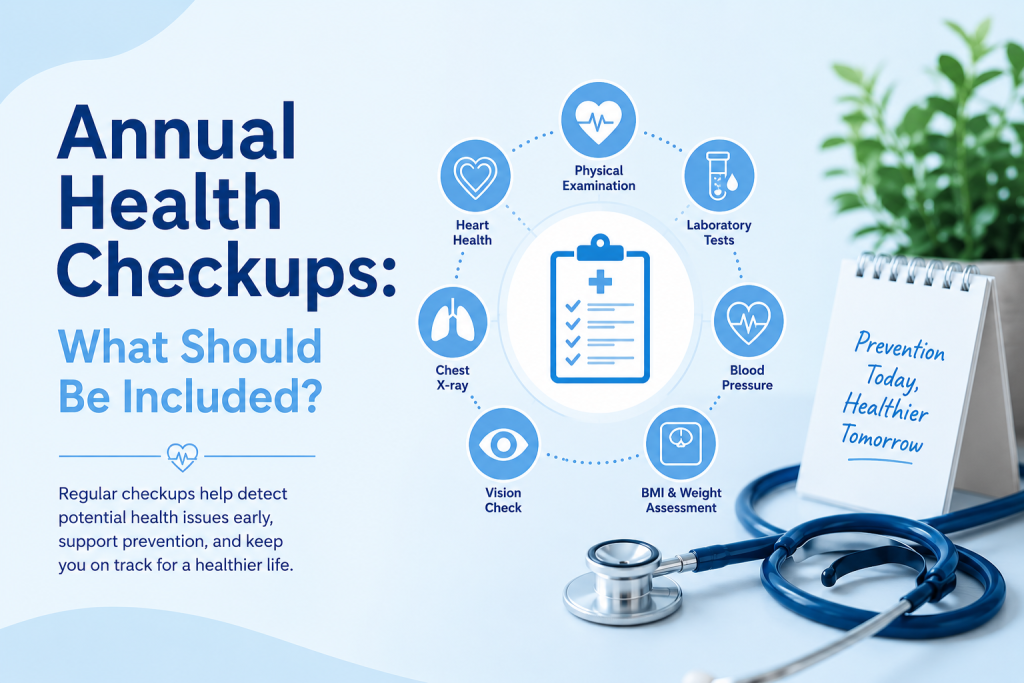
Your body rarely gives loud warnings before a problem becomes serious. Most conditions develop quietly, progressing for months or even years before symptoms appear. This is why annual health checkups are not just recommended, they are essential.
A routine checkup gives you a complete picture of your health, helps detect hidden issues early, and guides you on what to improve before complications arise. What exactly should be included in a proper annual health checkup?
Understanding the Purpose of a Checkup
An annual health checkup is not just about running tests. It is a preventive approach to healthcare. Instead of waiting for illness to show up, it helps identify risks early and keeps your health on track.
Think of it as a yearly “system review” for your body.
Core Components of a Complete Health Checkup
A proper checkup should begin with basic physical assessments. These include blood pressure measurement, waist circumference, body weight, height, and body mass index (BMI). While simple, these indicators can reveal early signs of hypertension, obesity, and other lifestyle-related conditions.
Next comes one of the most important parts of blood testing- a full blood count. A full blood count helps assess your overall health status and may detect anemia, infection, inflammation, and certain blood disorders. Blood sugar testing is essential for detecting diabetes or prediabetes. Even before symptoms begin in some individuals, an HbA1c test may also be recommended. This provides an average blood sugar levels over the previous two to three months and helps identify diabetes or prediabetes. A lipid profile evaluates cholesterol levels and gives insight into your risk of heart disease.
Equally important liver and kidney function tests are important Thyroid function tests may also be appropriate, particularly for individuals experiencing fatigue, weight changes, menstrual irregularities, or a family history of thyroid disease. The liver plays a key role in detoxification and metabolism, while the kidneys filter waste from the blood. Early detection of dysfunction in these organs can prevent serious long-term complications.
Urine and stool tests are also commonly included. These help identify infections, digestive issues, and sometimes parasitic infections that may not show obvious symptoms a Stool tests can help identify infections, inflammation, parasites, and other digestive disorders. In some cases, additional laboratory testing may determine which medications are most effective against a detected infection.
Heart and Imaging Tests
Depending on your age and risk factors, heart-related screenings such as an electrocardiogram (ECG) may be recommended particularly in individuals with hypertension, diabetes, chest symptoms, a family history of heart disease, or advancing age. This helps assess heart rhythm and detect early cardiac abnormalities.
In some cases, imaging tests like chest X-rays or abdominal ultrasounds may also be included. These are not always required annually for everyone, but they become important when there are symptoms or risk factors that need closer evaluation.
Age and Gender Considerations
Health checkups are not one-size-fits-all. Women may require additional screenings such as Pap smears, breast examinations, or hormonal tests. Men may need prostate-specific tests as they age. Older adults may also benefit from bone density scans and more detailed cardiovascular assessments. Certain cancer screening tests may also be recommended based on age and risk factors. These may include cervical cancer screening, mammography, prostate screening, colorectal cancer screening, or other investigations as advised by your healthcare provider.
Lifestyle and Risk Assessment
Beyond laboratory tests, a good health checkup also includes a discussion about lifestyle. This covers diet, physical activity, sleep patterns, stress levels, tobacco and alcohol use, occupational exposures, and family medical history. These factors often influence long-term health as much as clinical results.
Eye and Dental Health
Routine eye examinations and dental checkups are often overlooked but form an important part of preventive healthcare. These assessments can help detect vision problems, glaucoma, cataracts, gum disease, and other conditions before they become serious.
Personalized health screening
Not everyone requires the same tests. The most effective health checkups are tailored to age, gender, family history, lifestyle, and existing medical conditions. A healthcare professional can help determine which screenings are most appropriate for you.
Additional Screenings Worth Considering
Depending on your age, medical history, lifestyle, and individual risk factors, your healthcare provider may recommend additional screening tests as part of your annual health checkup. These may include:
Vitamin D Test – Helps identify vitamin D deficiency, which can affect bone health, immunity, and overall well-being.
Hepatitis B and Hepatitis C Screening – Important for detecting viral liver infections early, especially in individuals with certain risk factors.
HIV Screening – Early detection allows timely treatment and helps prevent complications.
Prostate-Specific Antigen (PSA) Test (for men) – May be recommended to assess prostate health, particularly in older men or those with a family history of prostate disease.
Hormonal Evaluation – Useful when symptoms suggest hormonal imbalances, such as unexplained weight changes, fatigue, fertility concerns, or menstrual irregularities.
Mammography or Breast Scan – Helps detect breast abnormalities and supports early diagnosis of breast cancer.
Cervical Cancer Screening – Regular screening can identify abnormal cervical changes before they develop into cancer.
Colorectal (Colon) Cancer Screening – Recommended for adults based on age and risk factors to detect precancerous changes or early-stage cancer.
Why It Should Not Be Ignored
Many chronic diseases such as hypertension, diabetes, kidney disease, and even some cancers develop silently. By the time symptoms appear, treatment may already be more complex and costly. Annual health checkups help catch these conditions early, when they are most manageable.
Final Thoughts
Your health is not something to manage only when problems arise. It requires consistent attention and preventive care. An annual health checkup is one of the simplest yet most powerful ways to stay ahead of illness.
It is not just about living longer it is about living healthier.
Make it a yearly habit. Your future self will thank you.
Need reliable diagnostic testing or preventive health screening? Visit Chayim Diagnostics for accurate, timely, and professional healthcare support.
📞 0814 070 438
https://www.chayimds.com
Responses