Why Newborn Screening is Important for Early Detection

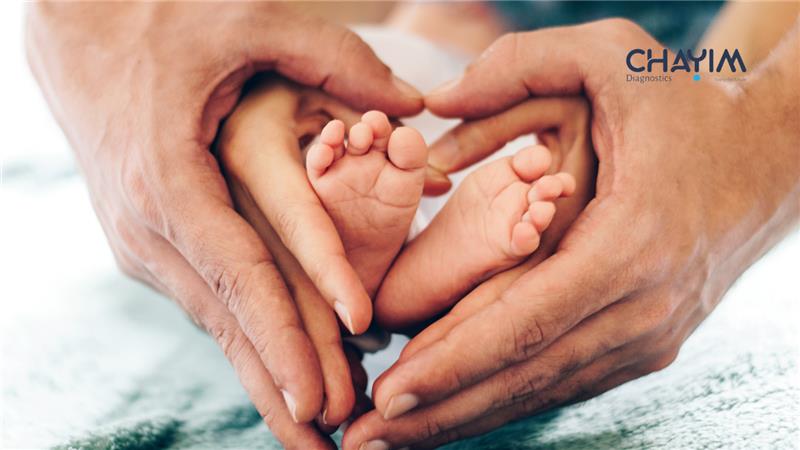
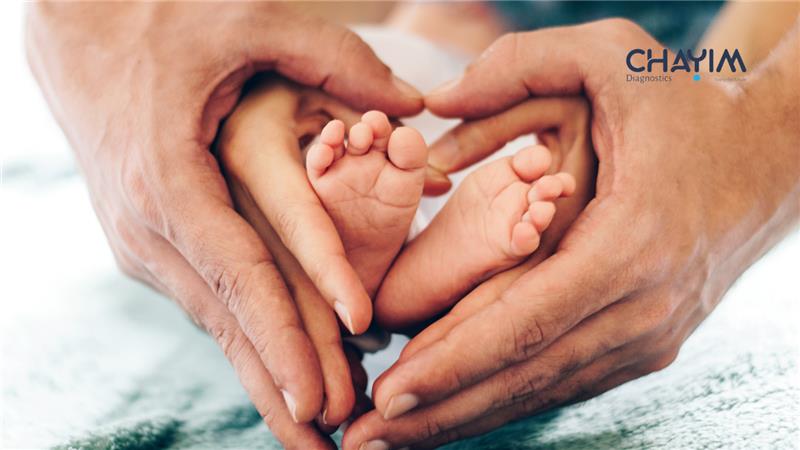
Welcoming a newborn is one of life’s most beautiful moments. Along with the joy comes a responsibility to ensure your baby starts life as healthy as possible. One of the most crucial steps in achieving this is newborn screening a simple yet powerful process that can detect serious health conditions early, often before symptoms appear.
What is Newborn Screening?
Newborn screening is a medical test performed shortly after birth to identify certain genetic, metabolic, hormonal, and functional conditions. These tests usually involve a small blood sample taken from the baby’s heel, along with hearing and sometimes heart screenings.
Although your baby may look perfectly healthy, some conditions are “silent” at birth and only show symptoms later sometimes when it’s already too late.
Without adequate magnesium, the body struggles to perform even basic physiological processes efficiently.
Value of Timely Detection
1. Prevents Serious Health Complications
Many disorders detected through newborn screening can lead to severe health issues such as brain damage, organ failure, or even death if not treated early. Early detection allows for immediate medical intervention, significantly reducing these risks.
2. Saves Lives
Conditions like congenital hypothyroidism or sickle cell disease can be life-threatening if undiagnosed. With early screening, treatment can begin right away, improving survival rates and quality of life.
3. Supports Normal Growth and Development
When detected early, many conditions can be managed with medication, dietary changes, or therapy. This helps babies grow and develop normally, just like their peers.
4. Reduces Long-Term Healthcare Costs
Treating a condition early is often less expensive than managing complications later in life. Early intervention can reduce hospital visits, long-term treatments, and financial strain on families.
5. Provides Peace of Mind for Parents
Knowing your baby has been screened and is either healthy or receiving appropriate care gives parents reassurance and confidence in their child’s future.
Common Conditions Detected
Newborn screening can identify a range of conditions, including:
- Sickle Cell Disease
- Congenital Hypothyroidism
- Phenylketonuria (PKU)
- Cystic Fibrosis
- G6PD Deficiency
- Hearing Loss
The exact conditions screened may vary depending on the country or healthcare provider.
What Happens if a Test is Positive?
A positive result does not always mean your baby has a condition—it simply means further testing is needed. If confirmed, healthcare providers will guide you through the next steps, including treatment options and ongoing care.
When is Newborn Screening Done?
Pregnant women often require higher magnesium intake under medical guidance. Screening is typically performed within the first 24 to 72 hours after birth. In some cases, a repeat test may be required to confirm results.
Final Thoughts
- Newborn screening is a small step that makes a big difference. It provides a critical window of opportunity to detect and treat conditions early before they can affect your child’s health and future.
- As a parent, ensuring your newborn undergoes screening is one of the most important decisions you can make. Early detection truly saves lives and gives every child the best possible start.
Always consult a healthcare professional before making decisions about your baby’s health. Newborn screening is essential for early detection, helping to identify serious conditions before symptoms appear especially important if there are underlying health concerns or risk factors.
📍 Visit Chayim Diagnostics today for Newborn screening is essential for early detection,
📞 0814 070 4382
Responses